On the Meaning of Home
29 July 2026WORDS BYSuvasini Sridharan
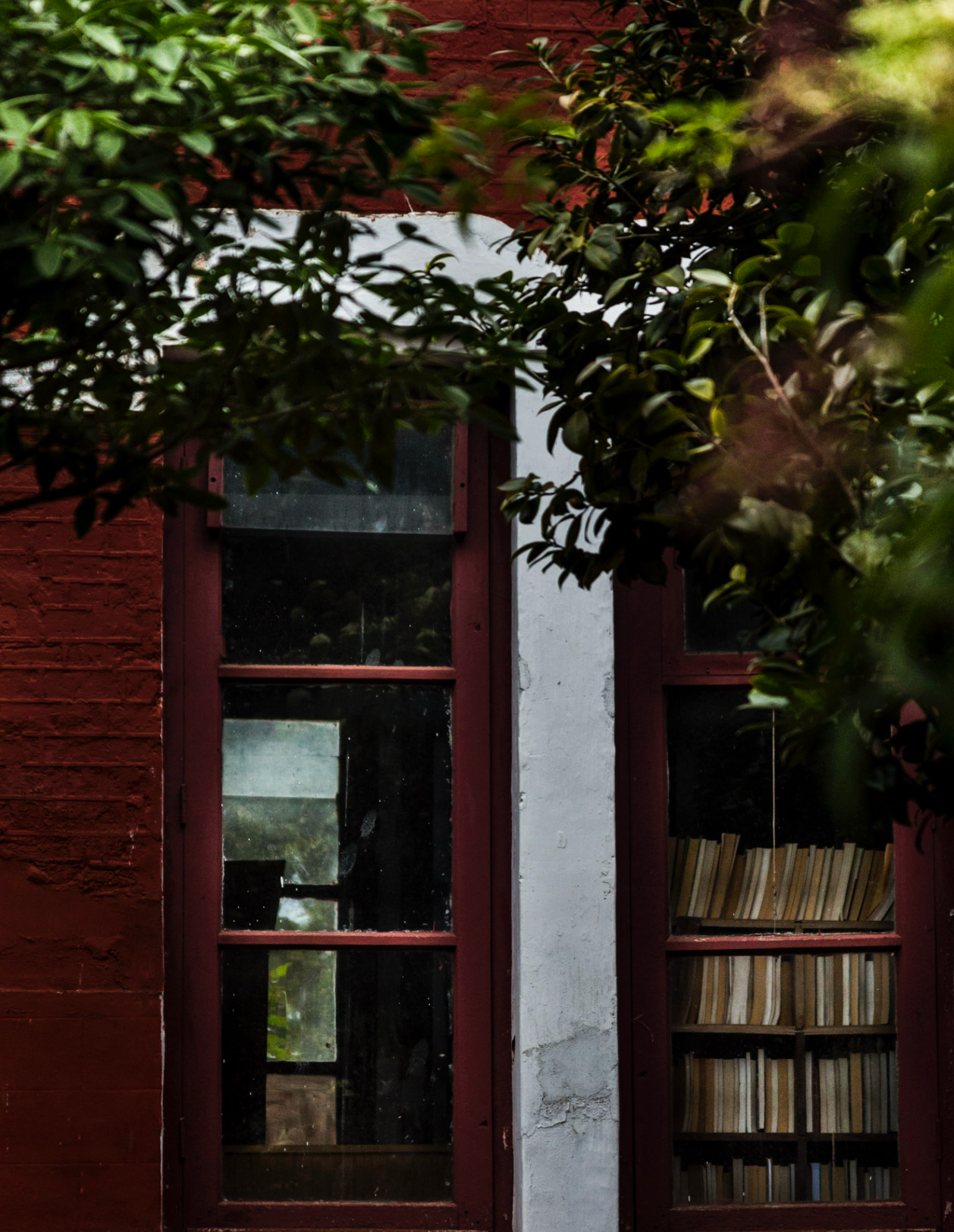
A teak and glass almirah sits in my father’s study in the family house by the sea. It is old. It is unwieldy. It is beautiful. Filled with books and knick-knacks, it takes up a whole wall. Familiar and comforting, it stands guard over my childhood. Whenever I visit and see it, I feel a deep sense of nostalgia and contentment. And I would like to think it has found its forever home.
When I was a child, we moved houses a lot. In the first 20 years of my life, growing up in Madras in the 90s, we must have lived in five different houses. This was before the convenience of movers and packers who did everything for you. Weeks ahead of the move, my parents would start carefully wrapping wine glasses, other crockery, and ceramic figurines in newspapers. Cardboard boxes would be procured from a nearby store to be filled with books and toys. Clothes would be packed into suitcases. The moving van would arrive, and the heavy wood furniture would be loaded—a whole day’s work. My father would supervise as his prized antique almirah was carried into the van and secured. We would all breathe a sigh of relief when it was safely ensconced in the new house. In every house we moved to, it was only after the furniture found its place, the art went up on the walls, and the books were placed into the antique almirah that we felt at home.
When I was a child, we moved houses a lot. In the first 20 years of my life, growing up in Madras in the 90s, we must have lived in five different houses. This was before the convenience of movers and packers who did everything for you. Weeks ahead of the move, my parents would start carefully wrapping wine glasses, other crockery, and ceramic figurines in newspapers. Cardboard boxes would be procured from a nearby store to be filled with books and toys. Clothes would be packed into suitcases. The moving van would arrive, and the heavy wood furniture would be loaded—a whole day’s work. My father would supervise as his prized antique almirah was carried into the van and secured. We would all breathe a sigh of relief when it was safely ensconced in the new house. In every house we moved to, it was only after the furniture found its place, the art went up on the walls, and the books were placed into the antique almirah that we felt at home.
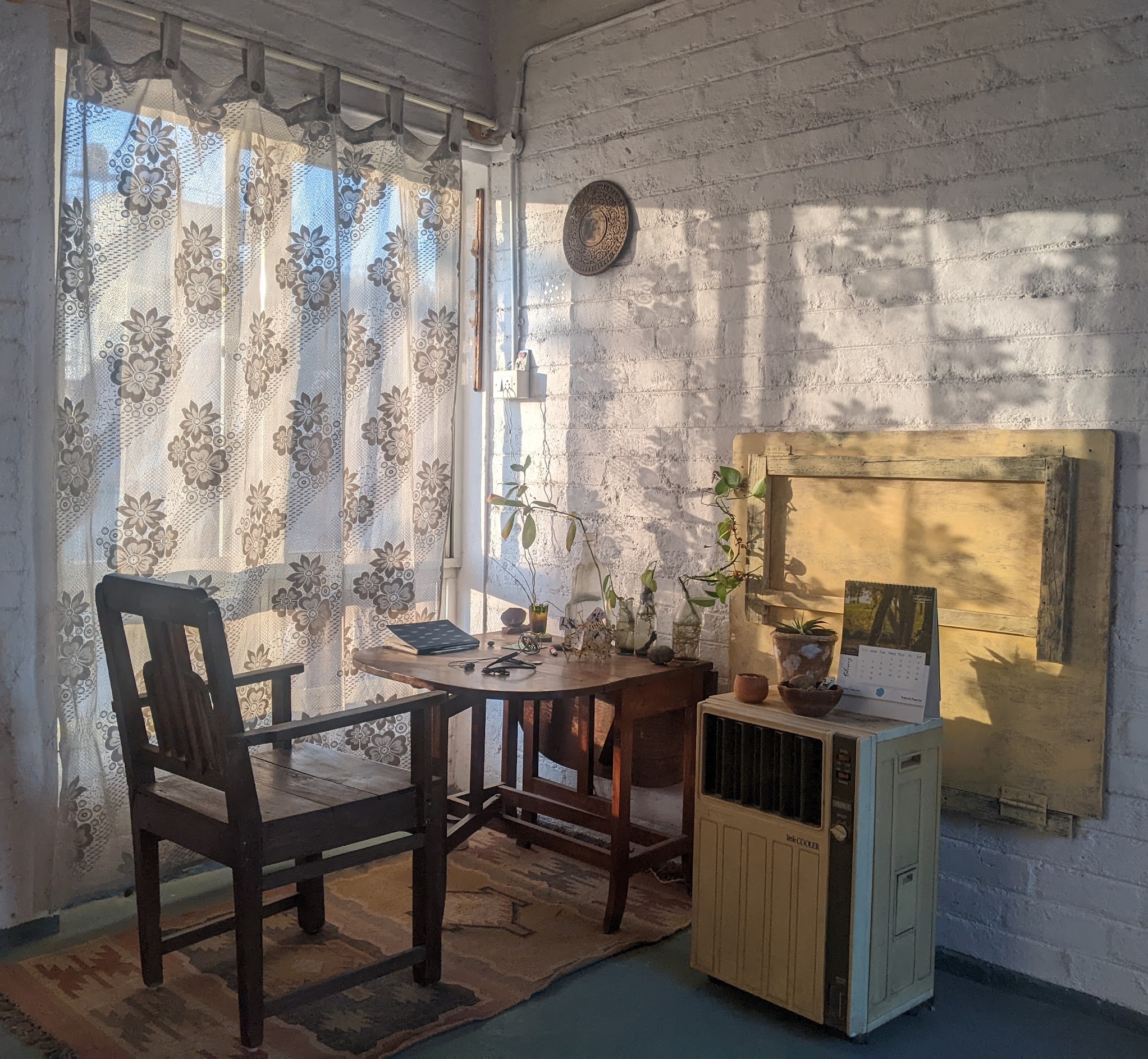
Home is a space to call your own, filled with the things that anchor and comfort you. This isn’t always easy to come by, especially if you are a woman in India. More often than not, here, women move from their parents’ home to their marital home. And the women who have a house to call their own do not take it lightly or for granted. Whether it is a top floor in an old house or a room in an apartment, they make it their home.
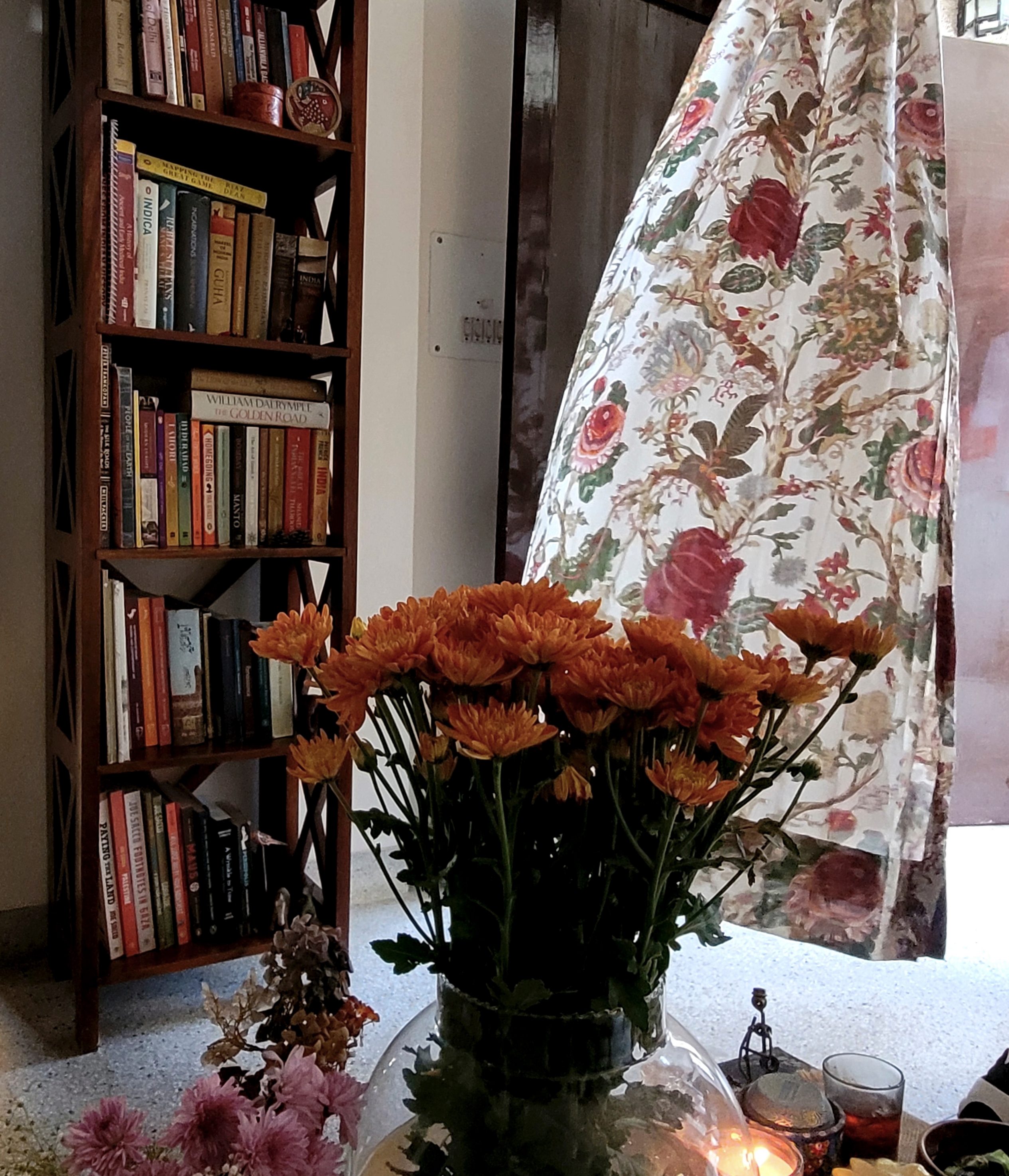
Photo: Sudarshana Srinivasan
Filling a house with familiar things is one way to do this. This is something Sudarshana Srinivasan, who is in her early 30s and lives in Gurugram, can identify with. Every object in her apartment carries a story and has a reason for being there. “From the paintings on my wall to the books on my shelves, everything has meaning,” she says. There’s her father’s old, fauji trunk that now doubles as a coffee table, a poster of the musical “Saigon” gifted by friends and a print of the Sistine Chapel. Her books, which travelled with her from her family home in Coimbatore to London, where she lived and studied, have found their way to the shelves in her place in Gangtok, and now sit in her present apartment.
At the other end of the country—in Chennai—Vasini V, a cartoonist, stakes claim to an apartment by literally drawing on the walls. A whale shark floats across the dining room wall, penguins march along the switchboard. “When I paint on the walls, I mark the place and make it my own. Here, all parts of me have a space,” she says.
At the other end of the country—in Chennai—Vasini V, a cartoonist, stakes claim to an apartment by literally drawing on the walls. A whale shark floats across the dining room wall, penguins march along the switchboard. “When I paint on the walls, I mark the place and make it my own. Here, all parts of me have a space,” she says.

Photos: Vasini V
Vasini, who is in her 30s, moved in with a friend after her divorce. “It is a great idea to share a home with a best friend, especially during a rough time. Someone who gets you and supports you but also gives you space.”
Sudarshana chooses to live by herself in Gurugram, a rarity in India. “My friends wonder if I get lonely or bored,” says Sudarshana. “I definitely do not.” Her home is her sanctuary, especially since she travels a lot for work. “This is a space where I can be unapologetically myself. It is a positive, safe space where there is no fear of judgement or being bothered.”This sentiment is shared by Vasini. “My home is where I can relax and be unguarded. I do not have to perform or pretend like I would have to at work or socially.” For them, home is more than a physical place; it is comfort and familiarity.
Few of us live in the same house all our lives. We move, often, and sometimes far from all that we know.
Across the sea, in Muscat, Kalyani Rao prepares to move back to India with her husband. She has lived in Oman for 32 years. Her days here are organized and calm, her routine predictable. As it gets closer to moving day, she finds herself wondering what “home” truly means. “India is filled with life, my family, and that deep feeling of belonging,” she says. Her excitement is tinged with trepidation. Will her homeland still invoke the same feelings it did all those years ago? “It will be difficult to adjust,” she says. “The traffic, the noise and the pollution will all be overwhelming. But I think I’ll find my rhythm soon.” Her job as a teacher left her with little time to form close social bonds in Muscat. This is something she hopes to change in Bangalore, where her daughter and a few close friends and relatives live. For Kalyani, home is people.
The idea of home as something created by people echoes through Kamalakshi Aggarwala’s life. She spent fifteen years moving from airbase to airbase as an Indian Air Force officer’s wife. “We moved sixteen times in fifteen years,” she recalls, laughing. “From mess accommodations to small flats loaned by friends, we lived in all kinds of houses. It was great fun. Everyone was in the same boat.”
There was a flat in Wellington, Tamil Nadu, that offered beautiful views of the Nilgiris. She also lived in Sirsa—near the Punjab border—and in Bagdodra, West Bengal, turning each assigned accommodation into a home. Her husband and she made do with the furniture provided, added their knick-knacks and books, and found a place for the portable puja set her mother had given her when she got married. Practical things took centre stage.
The idea of home as something created by people echoes through Kamalakshi Aggarwala’s life. She spent fifteen years moving from airbase to airbase as an Indian Air Force officer’s wife. “We moved sixteen times in fifteen years,” she recalls, laughing. “From mess accommodations to small flats loaned by friends, we lived in all kinds of houses. It was great fun. Everyone was in the same boat.”
There was a flat in Wellington, Tamil Nadu, that offered beautiful views of the Nilgiris. She also lived in Sirsa—near the Punjab border—and in Bagdodra, West Bengal, turning each assigned accommodation into a home. Her husband and she made do with the furniture provided, added their knick-knacks and books, and found a place for the portable puja set her mother had given her when she got married. Practical things took centre stage.
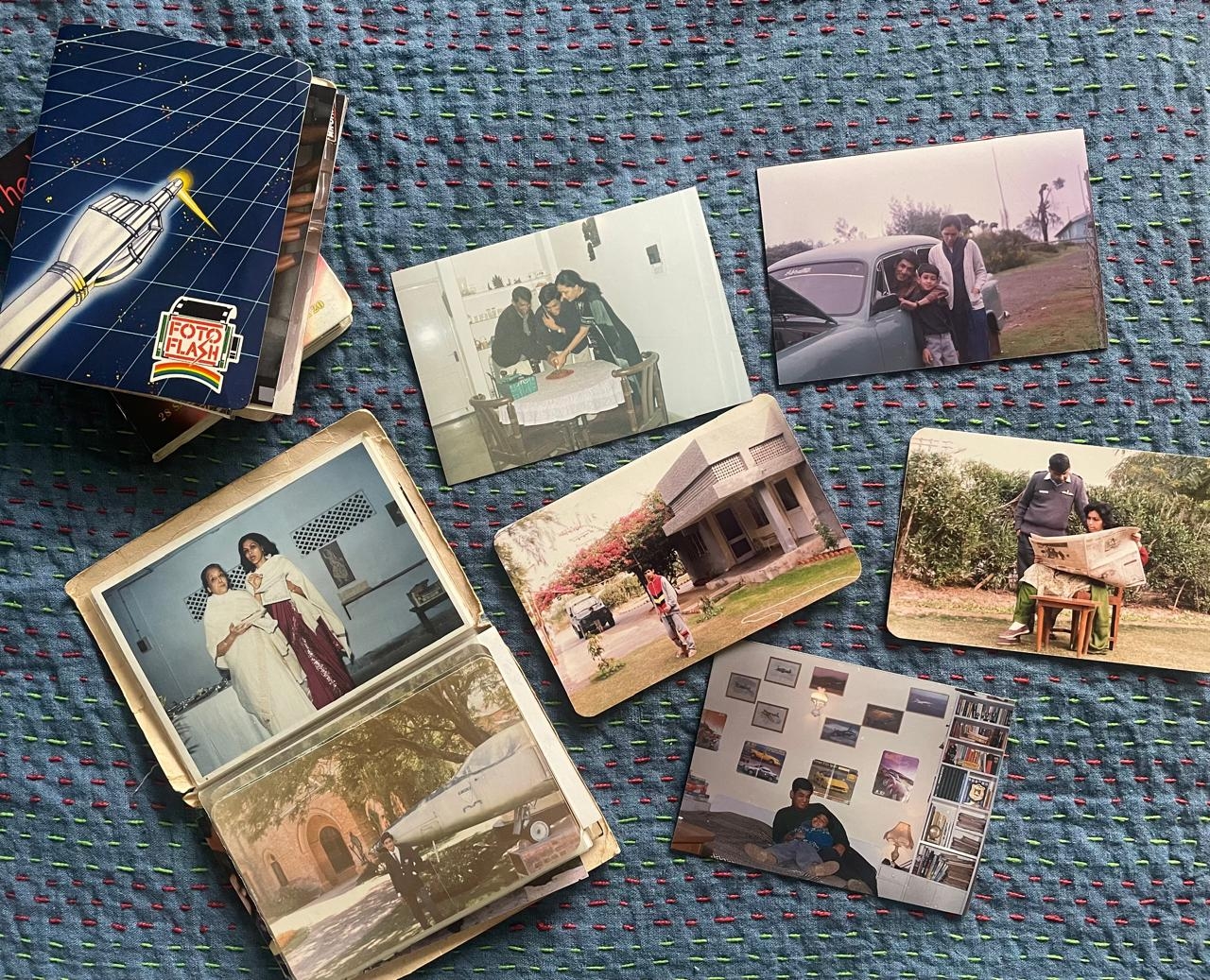
Photo: Kamalakshi Aggarwala
Kamalakshi has always been comfortable with picking up and starting over. She grew up in the tea estates of Jorhat, Assam, where her father worked. In the 70s, she moved to Delhi for college. Now in Bangalore, in her fourth home in the city, family photographs fill the walls, souvenirs from her travels dot the rooms, and her granddaughters are in and out of the house with their friends. “We don’t need things,” she says. “It’s the laughter and the people that make a home.”
Home is also security and peace, especially for single women.
Vaishnavi N, who lives in Bengaluru, got divorced during the pandemic. A parent of two teenagers, she moved out of her marital home and was looking for a space of her own, with safety and easy access to city comforts as her priorities. She recently rented out the top floor of a house in a lovely, old neighbourhood. It is sparsely furnished, bright, neat and clean. “For me, it is simple; home is a place to rest and eat, a space of security,” she says. Vaishnavi’s favourite spot is the balcony that overlooks the tree-lined street. “I sit here a lot with a book or while working, and I listen to the sounds of children going home from school and the goings-on below,” she says. “Here, even if I am alone, I am not lonely.”
As a woman living by herself, Vaishnavi is also very protective of her space. “I need to feel safe,” she says. She doesn’t let too many people in her home. This is something echoed by Sudarshana. “I guard my space,” she says. Home is where she can shut the door on the outside world and unwind.
Both also say that their definition of home is fluid. Recently, Sudarshana visited Goa, stayed with her friend, and felt drawn to life there. “What I want in a home keeps changing,” adds Vaishnavi. “One day I want a home in the hills, next by the sea. But what is a constant is a feeling of security.”
Vasini always dreamed of a home amid nature, with lots of animals and a good community. And in a way, she found it. She lives near the beach, in a tight-knit neighbourhood. She shares her home with her best friend and their dogs. “This period of my life, no matter how difficult in some ways, is also the best,” she says.
Home means different things to different women at different stages of their lives. For some, it is where they find peace and safety; for others, it is where they can be completely themselves. Home is more than the things that fill it, and it is about belonging and living. Home is ultimately something that these women created for themselves.



You may also like

Imbibe•Issue 10
Home Beyond the Door
BY Jennifer Nandi
Read•Issue 10
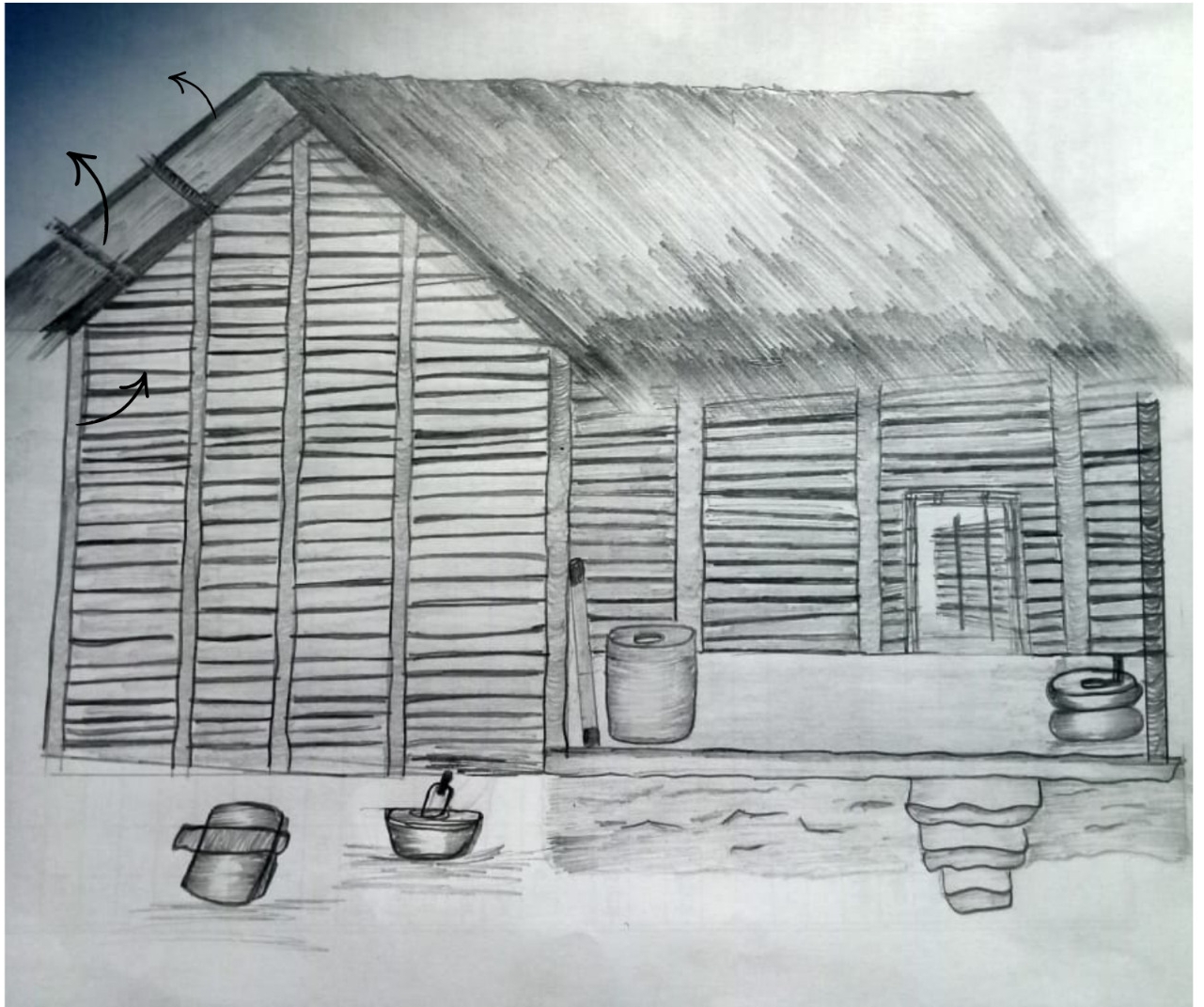
The Shape of an Irula Home
BY Jeyanthi R
Pause•Issue 10
Beneath the Glass
BY Tamsin Abbott
Imbibe•Issue 10
Of Letter Boxes, Boxes and Forest Homes
BY K Srilata

Read•Issue 10
The Many Homes of Streeties
BY Sindhoor Pangal, Ahana Rangachari, Surabhi Venkatesh, Juhi Patel, Sowjanya S
Pause•Issue 10
Eyrie
BY Suprabha Seshan
Pause•Issue 10
Carrying Homes Within You
BY Radhika Iyengar
Pause•Issue 10
A Conversation Between a House and a Ghost
BY Pankaj Singh