WORDS BYRamya Reddy
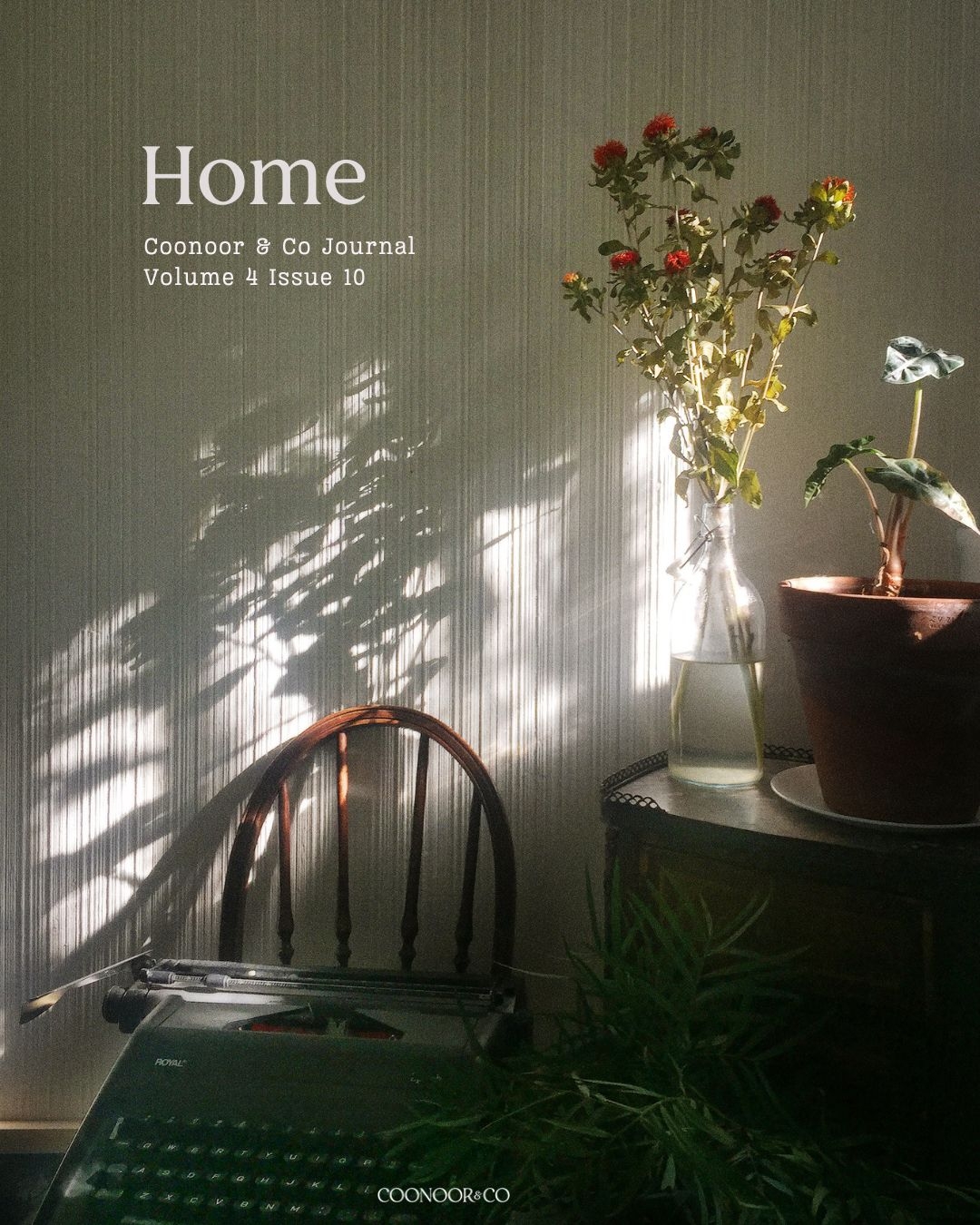
Welcome to the Coonoor & Co Journal, Volume 4, Issue 10
“What we call the beginning is often the end. And to make an end is to make a beginning.”
— T. S. Eliot
The word home embodies this paradox with ease.
It is where we begin, and the place that asks us to begin again. Sometimes it anchors us, arriving in fragments — a remembered doorway, a tree marking the turn of seasons, the taste of a childhood meal. At other times, it is simply the ground beneath our feet when everything else has changed. Home gathers the familiar and the faraway, the inherited and the improvised, the places we choose and the places that choose us.
A home may be shaped from timber or stone, yet it is also formed through movement: packed boxes, shifting cities, the return to a room after many years. It can emerge in transit — in borrowed flats, in companionable mountain weather, in the steady presence of animals who claim a patch of pavement as if it were a hearth. For some, home grows through persistence; for others, through the sudden loss of what once felt permanent. These differences remind us that home is not a singular experience. It can expand, contract, disappear, and re-form. Home exists in our memories, routines, relationships, and in the effort to shape a space that fits the contours of our lives.
This issue gathers stories shaped by these many forms of home. Each one offers a unique perspective on the concept of home—personal, political, ecological, and emotional—revealing how deeply this idea is woven into our lives.
Another thread runs through these accounts: the planet as the first and last dwelling. The hills that keep watch, the forests that stay imprinted long after we leave, the shared ground where humans, animals, weather, and time meet. Home evolves from a fixed address into a network of relationships, shaped by memory and loss, as well as by shelter and renewal.
Contributors to this issue are:
Arundhathi Subramaniam, Nishi Chawla, Suprabha Seshan, Hoihnu Hauzel, K.Srilata, Tamsin Abott, Temsula Ao (late), Sindhoor Pangal, Jeyanthi R, Jennifer Nandi, Suvasini Sridharan, Pankaj Singh, Athulya Pillai, Bhavna Bhatnagar, AJ Mallari, Sumedha Sah, Radhika Iyengar, and Ashna Ashesh
Arundhathi Subramaniam, in conversation with Ashna Ashesh, considers home as both longing and return. Through poems and memory, she reflects on belonging as both transitional and enduring—found in cities, in ancestry, in travel, and in the journey back to oneself.
Nishi Chawla offers a mythic, borderless vision of home, moving across worlds and ancestral lines. Her poem gathers indigenous and nomadic voices into an enduring hearth where survival, persistence, and shared memory keep the fire of belonging alive.
From a ridge alive with storm light, Suprabha Seshan writes of a world where mother, dogs, forest, and weather are bound in one breath. Here, the body leans into wind and rain until they feel indistinguishable from its own pulse — a way of knowing that comes only from living inside the weather.
Hoihnu Hauzel returns to the flavours and rituals that once defined home. Sun-warmed oranges, salted gooseberries, and pomegranates in yam leaves evoke both tenderness and sorrow—reminders of a home that no longer stands and of what now survives through taste, scent, and longing.
Through K. Srilata’s telling, the unmaking of a workplace—home becomes a meditation on attachment and departure. Boxes, old letters, and the forest that once steadied her reveal the tenderness and disorientation of leaving a place that has shaped one’s life.
Tamsin Abbott invites us into a world where stained glass holds meaning as sanctuary and hiraeth — the Welsh word for a deep longing for home — across both human and animal realms.
In Temsula Ao’s These Hills Called Home, “The Pot Maker” (shared with permission from Zubaan Books) follows a young girl determined to learn a demanding, fading craft. Rooted in clay, inheritance, and women’s work, the story reveals how place and skill shape a sense of home.
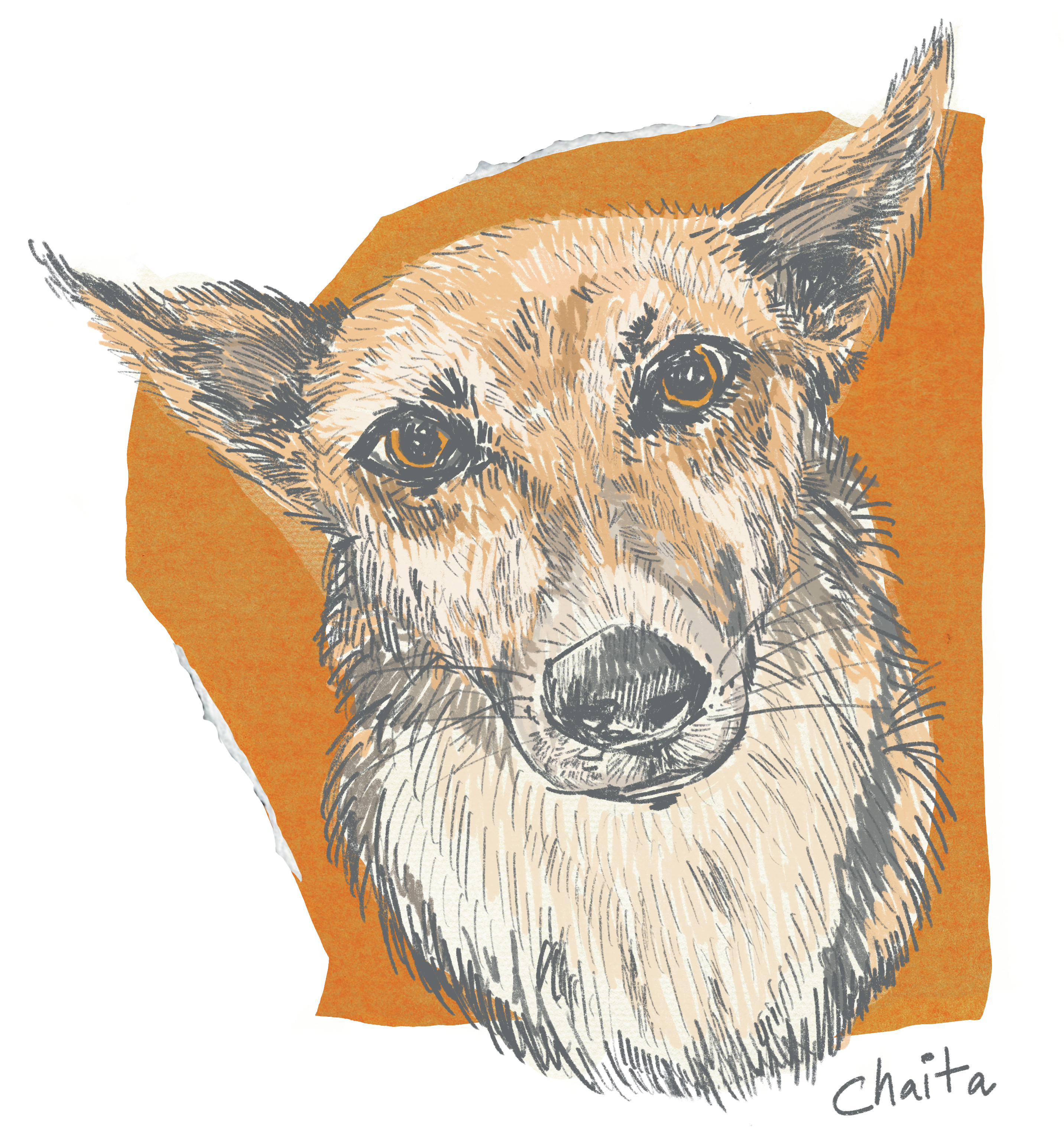
Street dogs and the humans who share their thresholds come together in Sindhoor Pangal’s poignant anthology, showing how belonging forms outside the formal idea of a house—on roadsides, in alleys, in companionship.
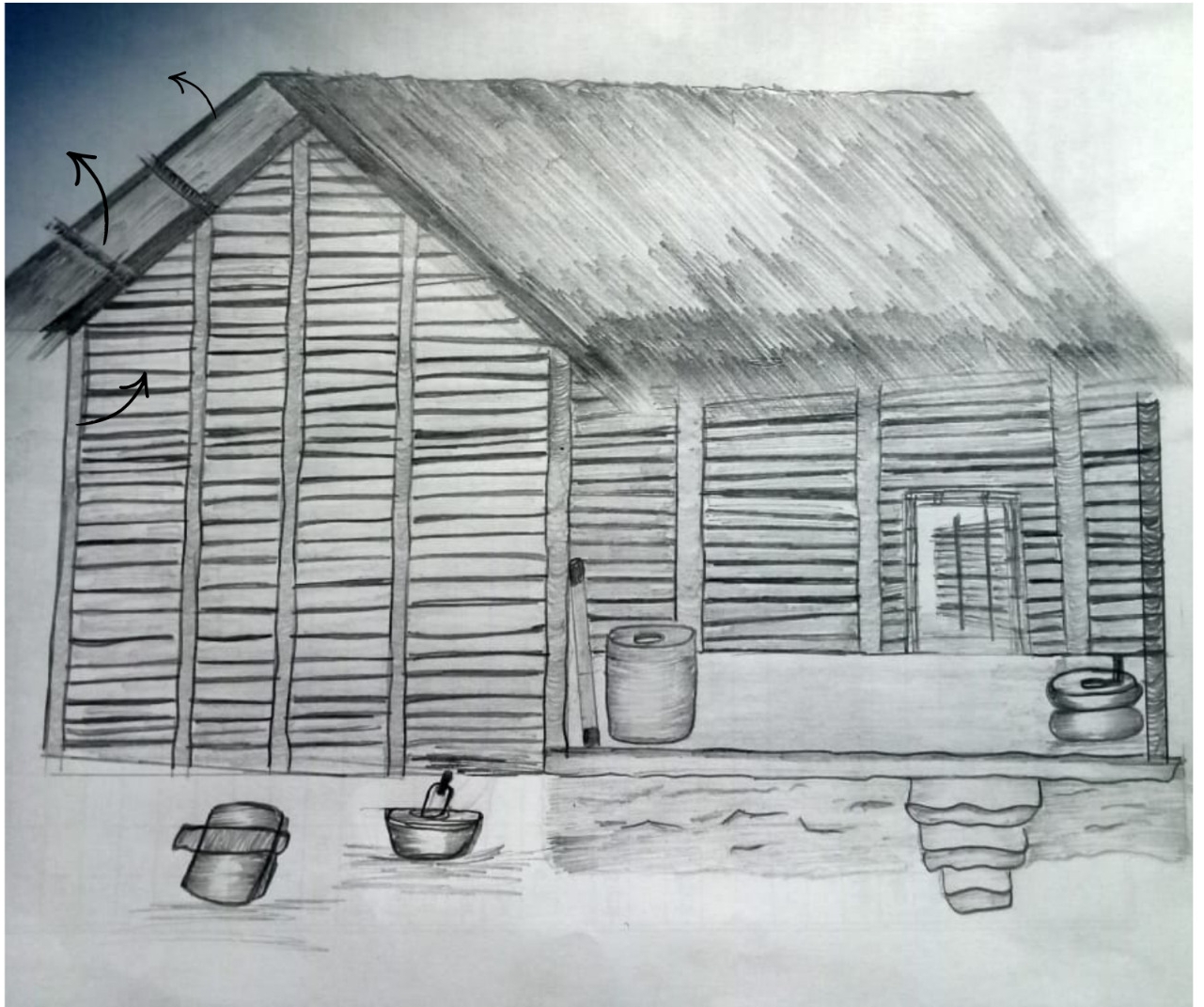
Jeyanthi R takes us into the traditional homes of the indigenous Irular community in the Nilgiris, and how they are changing under modern development — reshaping identity, belonging, and the relationship between people and place.
Women rebuilding their lives across cities, marriages, and separations speak through Suvasini Sridharan, offering portraits of home as something that shifts and reforms—sometimes as refuge, sometimes as reinvention.
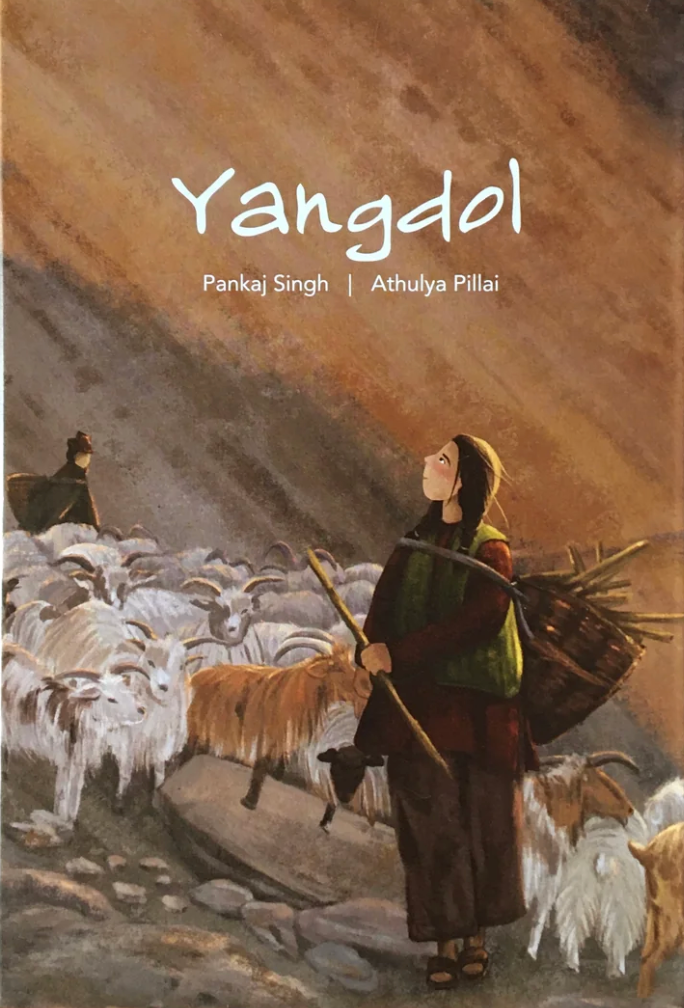
Excerpts from Yangdol, by Pankaj Singh and Athulya Pillai, open a window into the life of a Ladakhi girl whose days unfold among mountains and sheep, shaped by her yearning to glimpse the snow leopard. In these passages, home emerges through kinship with the land and a lifelong attentiveness to the wild.
Jennifer Nandi writes of home as an expanse, widening over a lifetime — from rooms to forests, mountains, and the more-than-human world — an ecological self shaped by reverence and reciprocity.
Mountain light and warmth guide Bhavna Bhatnagar’s visual piece, where the subtle textures of a dwelling reveal how shelter gathers around presence, movement, and the traces of a lived day.
Caught between the restlessness of Bombay and the remembered rooms of Delhi, Radhika Iyengar writes of how home can tug from two directions at once. Her piece lingers on scent, surface, and the way distance makes the familiar newly visible.
The stories from this issue will appear on our website over the coming months, with each new piece arriving in your inbox as part of our monthly newsletter.
Our biannual journal is an independent platform exploring the intersection of slow living, nature, culture, and community. To receive monthly updates and curated compilations, subscribe to our newsletter.
Thank you for being part of our reader community.
Your presence and support mean a great deal to us—we look forward to continuing this journey with you.
Editorial Team —
Editor: Ramya Reddy
Associate Editor: Ashna Ashesh
Advisor & Consulting Editor: Prabhu Viswanathan
Consulting Editor: Malati Mukherjee
You may also like
Read•Issue 10
The Many Homes of Streeties
BY Sindhoor Pangal, Ahana Rangachari, Surabhi Venkatesh, Juhi Patel, Sowjanya S
Read•Issue 10
The Shape of an Irula Home
BY Jeyanthi R
Read•Issue 10
Yangdol
BY Pankaj Singh
Read•Issue 9
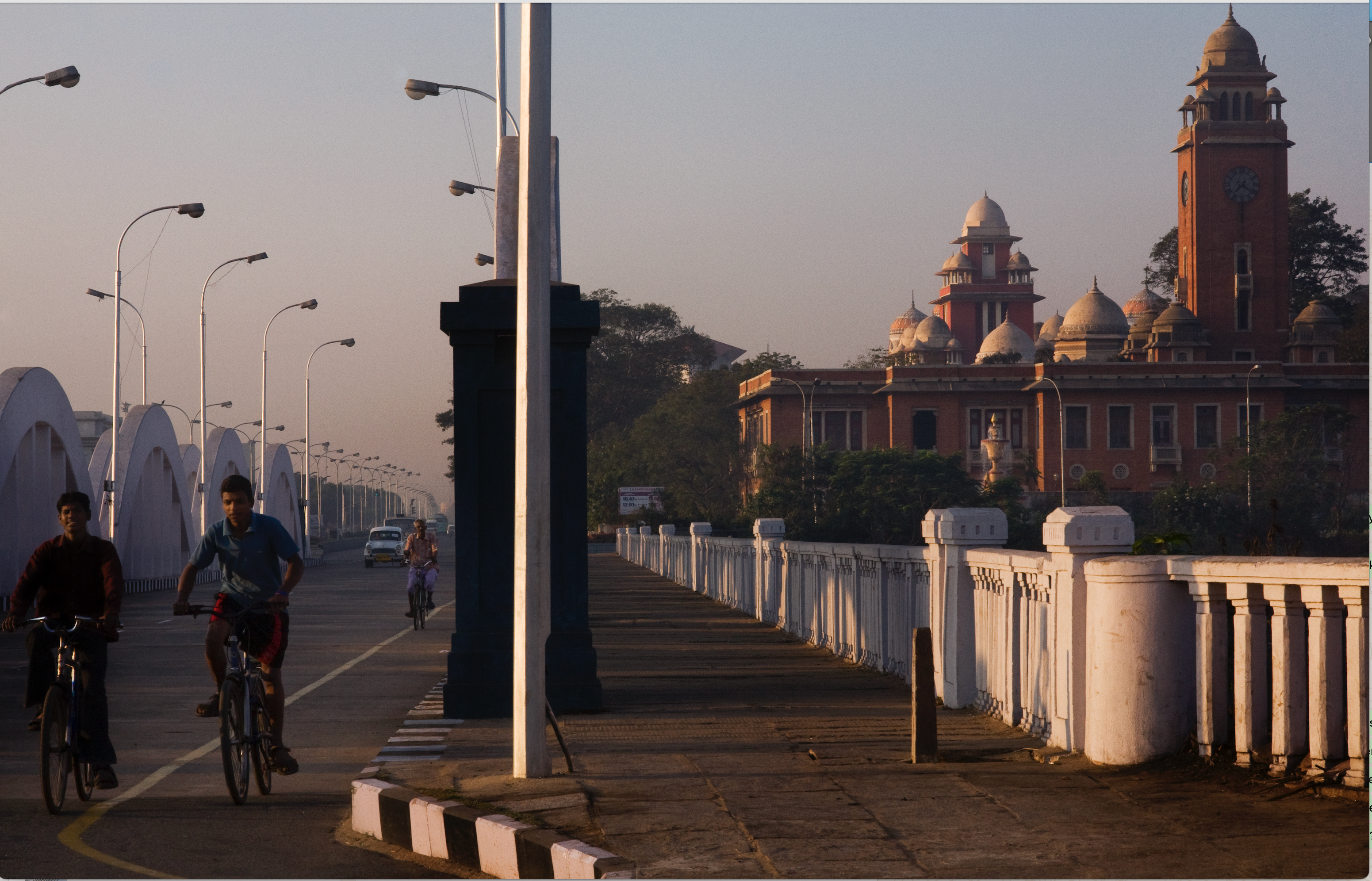
Chennai: Voices from a City
BY V.Sriram

Read•Issue 9
Service Before Self
BY General Rajan Ravindran

Read•Issue 9
A Sacred Drift Called Bhoomi
BY Latha Menon

Read•Issue 9
Etched in Stone: Rock art of Ladakh
BY Ahtushi Deshpande
Read•Issue 9
The House by the River
BY Parvathi Nayar